ConGen Africa

SPECIES & MAPS

Principles

ConGen Africa follows four core genetic principles that guide our conservation work and species translocation decisions:

Principle 1

Translocations should mimic natural processes that allow for gene flow between populations. When natural movement is restricted (e.g., by urban development or fencing), translocations can help reinstate these processes and support healthy populations.

Translocations must not disrupt existing genetic structures. Evolutionarily Significant Units (ESUs) must be conserved separately to maintain the evolutionary integrity of each population. Genetic mixing is only permitted in extreme cases, such as when a population faces extinction due to inbreeding.
When translocations occur outside a species’ natural range, individuals should be sourced from the closest genetic match. This helps maintain genetic continuity and prevents maladaptation to new environments.

Captive-bred animals with selected traits (e.g., for commercial purposes) must not be mixed with wild populations. Such mixing can introduce harmful genetic traits that could compromise the health and survival of wild species.

ConGen Africa works with a wide range of species, helping to conserve genetic diversity and implement sustainable translocation practices. Some examples of our work include sable antelope, leopard, common eland, and mountain zebra, for which we have developed specific genetic management guidelines. While the genetic patterns in terms of Evolutionarily Significant Units (ESUs) and Genetic Management Units (GMUs) are defined and indicated across species’ ranges, the management guidelines are mostly focussed on southern Africa.

Let's look at some examples. . .

Sable Antelope

The sable antelope has five distinct Evolutionarily Significant Units (ESUs) across its range in Africa, including the West Tanzanian, Eastern, Angolan, Zambian, and Southern ESUs. These ESUs evolved due to geographical barriers like the Zambezi River, which prevented gene flow between populations.

Leopard

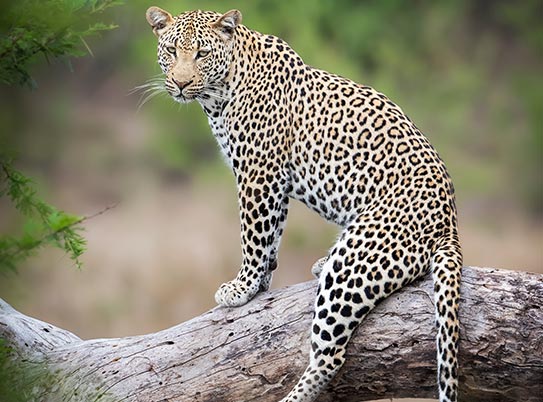
Leopards have a high level of genetic diversity with fewer physical barriers to their movement across Africa. Despite this, they exhibit genetic structuring, particularly in southern Africa. At ConGen Africa, we recommend careful management of leopard populations, avoiding long-distance translocations to maintain genetic structure and support their natural evolutionary processes.

Mountain Zebra

Within Equus zebra two subspecies are currently recognised (Equus zebra hartmannae: Hartmann’s mountain zebra, HMZ, and Equus zebra zebra: Cape mountain zebra, CMZ). They are primarily differentiated by their habitat and size, with CMZ being slightly smaller. For permitting purposes in southern Africa, Namibia and South Africa currently utilise Equus zebra hartmannae and Equus zebra zebra respectively.

Common Eland

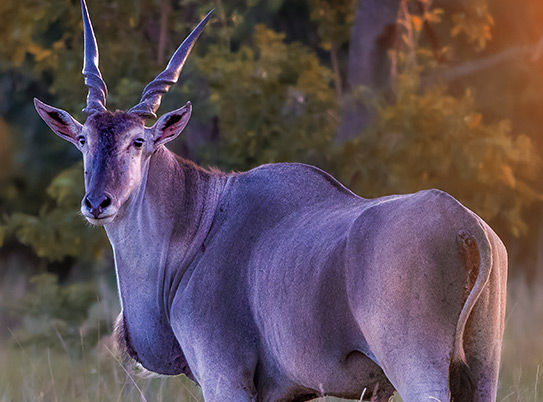
A single species of the common eland Tragelaphus oryx  is currently recognised across the southern and East African parts of the geographic range. This species name is synonymous with the former Taurotragus oryx. For permitting purposes in southern Africa, Namibia and South Africa currently utilise Tragelaphus oryx